Featured
The Basic Principles Of Inflation Impacting Rising Need A...
How Measures to Take to Restore Your Credit can Save You ...
The 10-Second Trick For What to Expect In the Bankruptcy ...
What Bankruptcy Services Generally Charge Can Be Fun For ...

The Main Principles Of Pricing Honesty That APFSC Don't Have
Table of Contents
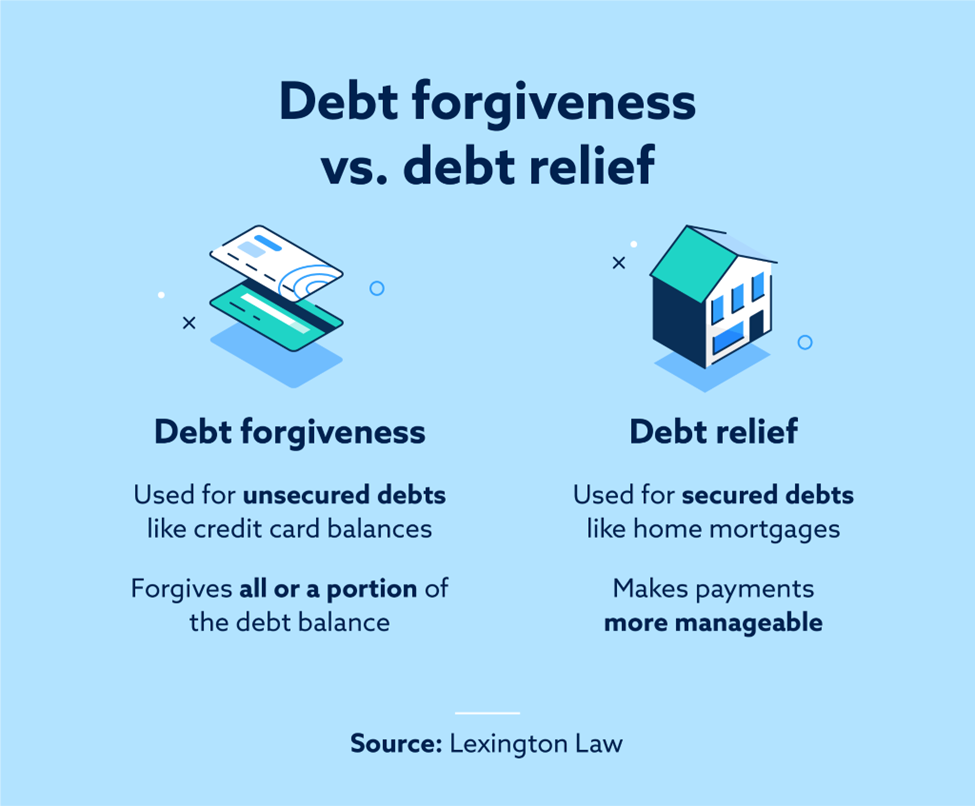
That maximizes cash in the short term, and you might have three to four years to save toward the settlement amount. Extremely harmful to credit rating, largely due to missed out on repayments and an unfavorable "worked out" mark that could remain on your credit history report for up to seven yearsMay be only option if various other options (debt combination, balance transfer charge card, financial obligation forgiveness) aren't possibleTypically needs a charge to the third celebration, which can balance out some or every one of the savings from financial obligation settlementMay help you stay clear of personal bankruptcy if you've missed out on several paymentsNot all financial institutions work with financial obligation negotiation business Debt mercy may be appropriate for you if you are experiencing a financial hardship that makes it almost impossible to pay for your financial debt equilibriums.
With a DMP, you make one regular monthly repayment to the credit therapy agency. Those funds are then distributed to lenders of your unsecured financial debts, such as bank card and installment car loans. The agency works with your lenders to lower rates of interest or waive charges, however some financial institutions might reject such concessions.
It can aid you pay down financial debt if you're able to protect a financing rate that's reduced than the average price of the accounts you're consolidating. You need to avoid from racking up debt on those newly gotten rid of accounts or your debt can expand also greater.
These cards often offer a 0% rate of interest initial period of up to 21 months. That provides you lots of time to eliminate or dramatically decrease your equilibrium while making interest-free settlements. For some individuals encountering impossible financial debt, personal bankruptcy may be the only way to quit collection procedures and legitimately settle their financial obligations.
The Best Guide To Free Online Debt Counseling Resources That Help Consumers
You might need it if your lender or a collection company ever before tries to collect on the financial debt in the future. When a lender forgives $600 or more, they are called for to send you Type 1099-C.
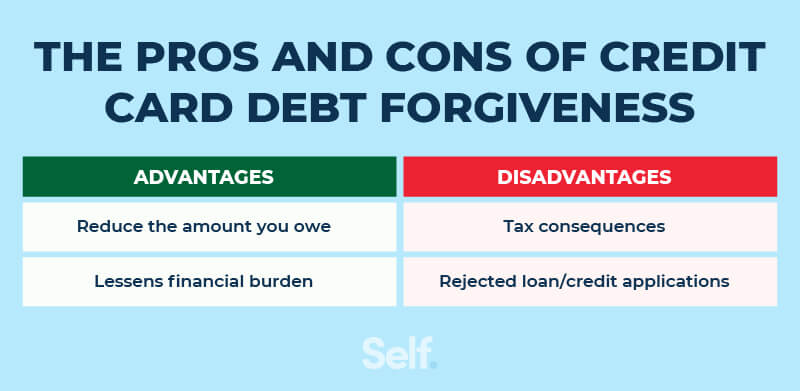
Financial debt mercy or settlement usually harms your debt. Anytime you resolve a financial debt for less than you owe, it might look like "cleared up" on your credit history record and influence your credit rating for 7 years from the date of negotiation. Your credit can likewise drop considerably in the months bring about the forgiveness if you fall behind on repayments.
Not known Incorrect Statements About Your Interests
This scenario commonly results from underreporting revenue, not submitting returns on time, or disparities discovered during an Internal revenue service audit. The effects of gathering tax obligation debt are severe and can include tax liens, which provide the Internal revenue service a legal insurance claim to your property as safety and security for the financial debt.
Salaries and Financial institution Accounts IRS can impose (seize) wages and financial institution accounts to please the financial debt. Property Seizure In severe cases, the Internal revenue service can confiscate and market residential or commercial property to cover the debt.
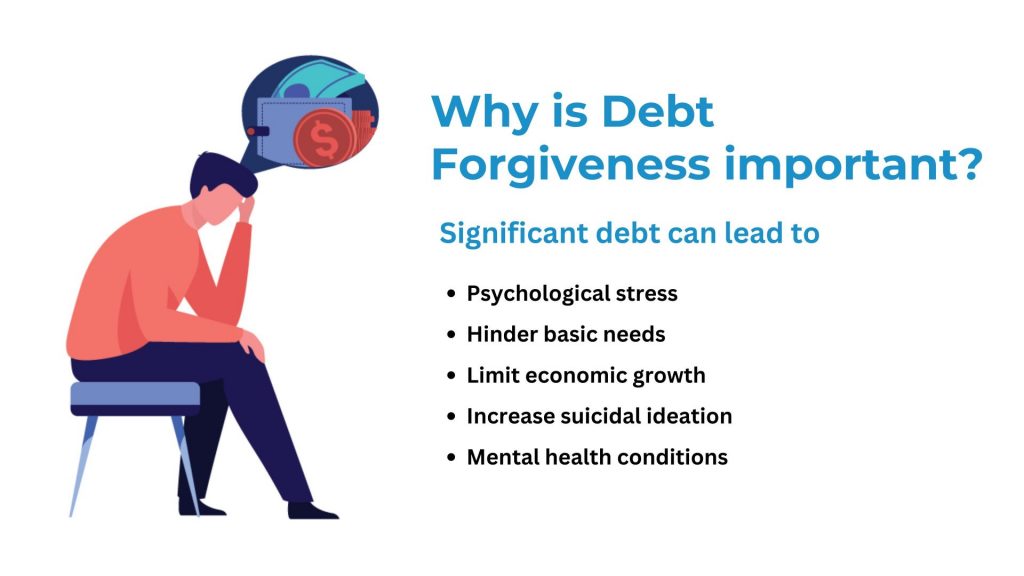
Clinical depression, stress and anxiety, and other mental health and wellness problems. Social Stigma Facing lawful action from the internal revenue service can bring social stigma. Damage to online reputation and partnerships. Employment Opportunities A poor debt rating due to tax financial debt can limit work opportunities. Trouble searching for or maintaining a job. Government Advantages Tax financial debt might affect qualification for government benefits, such as Social Safety And Security and Medicaid.
Some Known Facts About Chapter 7 Basics Before You Decide.
The OIC thinks about numerous factors, including the taxpayer's earnings, costs, possession equity, and ability to pay. Effectively negotiating an OIC can be intricate, requiring a thorough understanding of the internal revenue service's guidelines and a strong argument for why your offer aligns with your ability to pay. It's crucial to note that not all applications are accepted, and the procedure requires thorough economic disclosure.
The internal revenue service evaluates your total economic scenario, including your revenue, expenditures, property equity, and ability to pay. You must also be current with all filing and repayment demands and not be in an open personal bankruptcy proceeding. The IRS also considers your conformity background, reviewing whether you have a record of prompt filing and paying tax obligations in previous years.
7 Easy Facts About What Legislation Guarantees When Pursuing Debt Relief Shown
The application procedure for a Deal in Concession includes a number of comprehensive steps. First, you have to complete and submit internal revenue service Form 656, the Deal in Concession application, and Type 433-A (OIC), a collection details statement for people. These forms need thorough financial details, including information concerning your revenue, financial debts, expenditures, and properties.
Back tax obligations, which are unsettled taxes from previous years, can dramatically boost your complete IRS financial obligation otherwise attended to promptly. This debt can accrue passion and late payment charges, making the initial quantity owed a lot bigger gradually. Failing to repay tax obligations can lead to the internal revenue service taking enforcement activities, such as issuing a tax obligation lien or levy against your residential property.
It is essential to address back taxes immediately, either by paying the total owed or by preparing a payment strategy with the internal revenue service. By taking positive steps, you can stay clear of the buildup of additional rate of interest and charges, and stop a lot more hostile collection activities by the internal revenue service.
One typical factor is the belief that the taxpayer can pay the complete quantity either as a lump amount or via a repayment strategy. The IRS also thinks about the taxpayer's earnings, expenditures, property equity, and future earning possibility. If these variables suggest that the taxpayer can afford to pay greater than the provided quantity, the internal revenue service is most likely to turn down the deal.
What Does What to Understand During the Virtual Wallets and Mobile Payments: Your Complete Guide to Digital Financial Security : APFSC Journey Mean?
Dealing with Internal revenue service financial debt can be intricate and complicated. Tax professionals, such as CPAs, tax attorneys, or enrolled representatives, can supply indispensable aid.

Table of Contents
Latest Posts
The Basic Principles Of Inflation Impacting Rising Need Are Seeking Debt Forgiveness

How Measures to Take to Restore Your Credit can Save You Time, Stress, and Money.
The 10-Second Trick For What to Expect In the Bankruptcy Journey
More
Latest Posts
The Basic Principles Of Inflation Impacting Rising Need Are Seeking Debt Forgiveness
How Measures to Take to Restore Your Credit can Save You Time, Stress, and Money.
The 10-Second Trick For What to Expect In the Bankruptcy Journey